
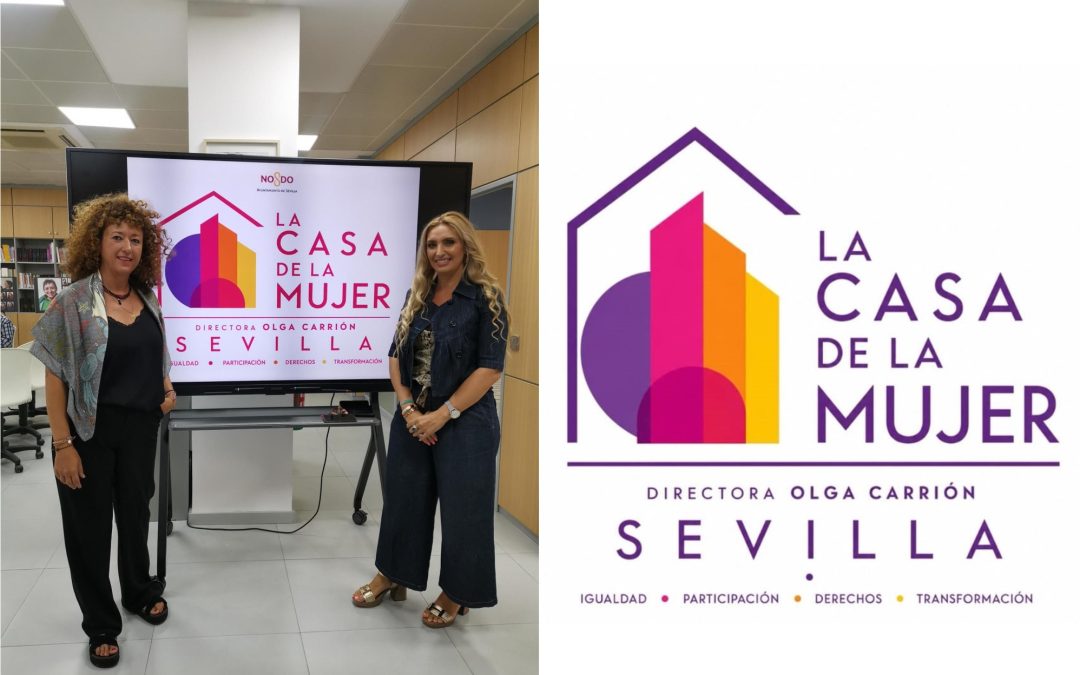
The opening of the “Directora Olga Carrión” Women’s Centre in Seville underlines the importance of having inclusive spaces for Rromani women
The creation of new resources for women is always welcome news. However, beyond the opening of a facility or the launch of a service, it is worth asking who uses these spaces, who feels represented, and what barriers women who have historically faced greater difficulties in accessing them continue to encounter.
In the case of Rromani women, these questions remain relevant.
Despite the social progress made in recent decades, many Rromani women continue to face inequality stemming from antigypsyism prejudice, a specific form of racism that continues to limit opportunities in key areas such as employment, education, housing, health and social participation.
These barriers are not specific to individual circumstances. They are the result of structural inequalities that continue to restrict the full exercise of rights and which, in many cases, remain invisible in forums for participation and in public policy.
Spaces that recognise the reality of Romani women
Equality cannot be built on the basis of a single reality. Women have different experiences, life paths and needs, and the resources allocated to promoting their rights must be capable of recognising that diversity.
For this reason, spaces such as the Casa de la Mujer take on particular significance when they are able to foster genuine participation, listen to the voices of Romani women and become places where all women can feel represented and welcomed.
It is not just about opening doors. It is about ensuring that all women can walk through them on an equal footing.
ADEME: supporting, mediating and defending rights
Through ADEME, the Support, Detection and Mediation service we run at La Fragua Projects, we work every day alongside Romani women to facilitate access to their rights, support their participation in decision-making processes and offer assistance in situations of discrimination or exclusion.
Our experience shows that empowerment does not stem solely from the availability of resources. It also requires safe spaces where women can share experiences, strengthen their autonomy, build support networks and play an active part in decisions that affect their lives.
Séfora Vargas Martín, a legal adviser at ADEME, plays a key role in this work, supporting Romani women in defending their rights, providing legal guidance and facilitating access to resources and opportunities. Her day-to-day work helps to identify instances of discrimination, offer specialised support and strengthen processes aimed at fostering autonomy and participation.
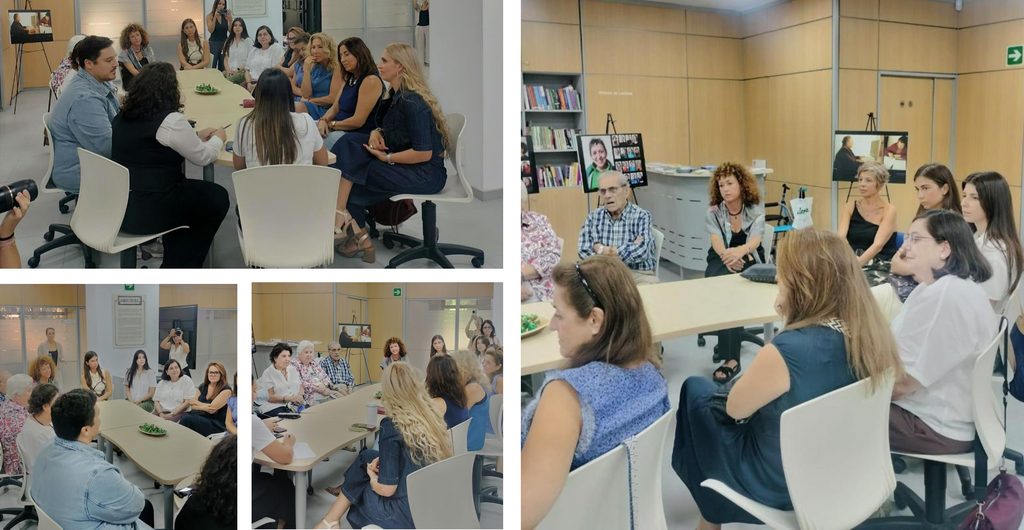
The event took place at the Casa de la Mujer in Seville, a venue for dialogue, participation and the strengthening of networks amongst women, equality officers and professionals working in the field of women’s issues.
An opportunity to keep moving forward
The creation of new spaces dedicated to women should also serve to reinforce our commitment to those who continue to face greater obstacles in exercising their rights.
Roma women are part of the diversity of our society and play a vital role within their families, communities and the wider society. However, they continue to face barriers that limit their presence in many public and decision-making spheres.
For this reason, at La Fragua Projects we believe it is essential that any initiative aimed at promoting equality incorporates an anti-racist perspective and takes into account the specific circumstances of Romani women.
Because equality will only be a reality when all women have access to the same rights, opportunities and spaces for participation. And because Romani women must not only be present in these spaces: they must be heard, recognised and play a leading role in the changes that affect their lives and their communities.
Source: La Fragua Projects.
Images: La Fragua Projects