The event, organised as part of the FEIG 2026 project, brought together young people, organisations and institutional stakeholders to analyse the 2021–2030 Strategy from a critical and constructive perspective.
On 25 March, Pamplona hosted the Rroma Youth Meeting at the Amigos Building of the University of Navarra (UNAV), under the title ‘Roma Youth and the 2021–2030 Strategy: From Social Inclusion to Self-Determination’. The event, organised within the framework of the Foro Estratégico Interautonómico Gitano 2026 (FEIG 2026) project, promoted by the organisations Asociación Nacional Presencia Gitana, FAGIC and La Fragua Projects, was consolidated as a key space to place young people at the heart of the debate on rights, public policies and the future of the Rroma People.
The event brought together young people, social organisations, institutional representatives and experts in a shared space for reflection and collective action. From a rights-based perspective, the event provided an opportunity to analyse the progress and limitations of the current National Strategy for Equality, Inclusion and Participation of the Rroma People 2021–2030, focusing on the need to move towards genuine processes of self-determination.
The programme was structured around a series of sessions designed to facilitate both analysis and active participation. The institutional and contextualisation session provided an opportunity to set out the current frameworks of the Strategy and open up a debate on its impact across different regions. Subsequently, the thematic roundtables provided spaces for horizontal dialogue in which participants shared experiences, identified common challenges and formulated concrete proposals regarding the inclusion, equal treatment and self-determination of Roma youth.
One of the key elements of the event was precisely this participatory approach: the proposals were not put forward from outside, but arose directly from the experiences, analyses and priorities expressed by the young people themselves. The meeting concluded with a round-up of conclusions, during which contributions were gathered aimed at transforming public policies from a perspective more closely aligned with the everyday reality of young Roma people.
La Fragua Projects’ involvement in this meeting forms part of its work within the FEIG project, a programme that aims to strengthen the advocacy capacity of the Rromani civil society movement and create spaces for collective analysis of public policies from both a regional and national perspective.
From the organisation of this event, promoted and co-organised by Gaz Kaló, an entity participating in the FEIG project, it was also intended to highlight the role of 16 de Mayo, Juventud Gitana, whose participation brought strength and a generational perspective to the process; the role of the academic research centres of the Universidad Pública de Navarra (UPNA), the Universidad de Navarra (UNAV) and CESPYD; as well as the collaboration of entities and stakeholders that also take part in the project, including Yiló and Unión Romaní Madrid.
Finally, the conclusions of the conference were read out in the Parliament of Navarre during a sitting attended by the highest-ranking institutional representatives, including representatives from all Navarrese parliamentary groups, the President of the Parliament and the President of the Autonomous Community of Navarre. The conclusions were brilliantly read out by two young Rromani women from Navarre, representing all the individuals and organisations that took part in the conference.
Beyond the meeting itself, the day sends a clear message: moving towards equality requires not only inclusive policies, but also recognition of the right of the Rromani People — and especially their young people — to play an active part in shaping their present and their future.
Spaces such as these underscore the importance of continuing to foster collective processes in which young Rroma are not merely the objects of policy, but political actors with a voice of their own.
Source: La Fragua Projects Photos: Gaz Kaló and La Fragua Projects
The presentation of the report and a programme of institutional meetings reinforce the collective efforts of the Rromani civil society movement to place its proposals at the heart of the political debate in Andalusia.
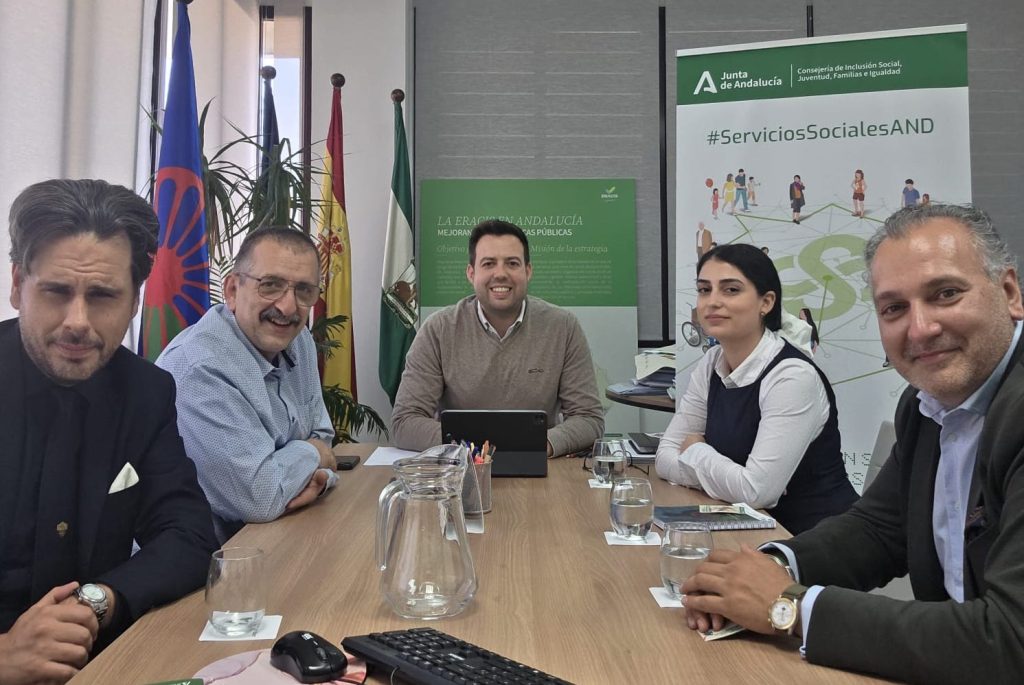
La Fragua Projects, together with Presencia Gitana, FAGIC and Unión Romaní Madrid, has organised a series of meetings in Seville as part of the 2026 Interregional Rroma Strategic Forum (FEIG 2026). These sessions have helped to advance the development of proposals and strengthen the political influence of the Romani people at a crucial juncture.
One of the key elements of the agenda has been the presentation of the FEIG 2025 Report, a document containing analyses, assessments and specific proposals aimed at ensuring equal treatment, inclusion and the effective participation of the Rromani people. The report is based on an insider’s perspective, drawn from the knowledge and experience of Romani organisations, and focuses on transforming public policies through a rights-based approach.
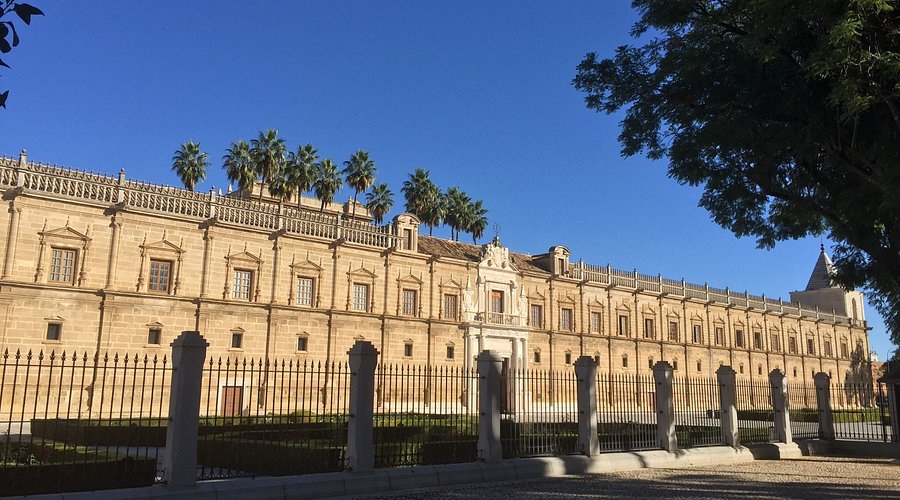
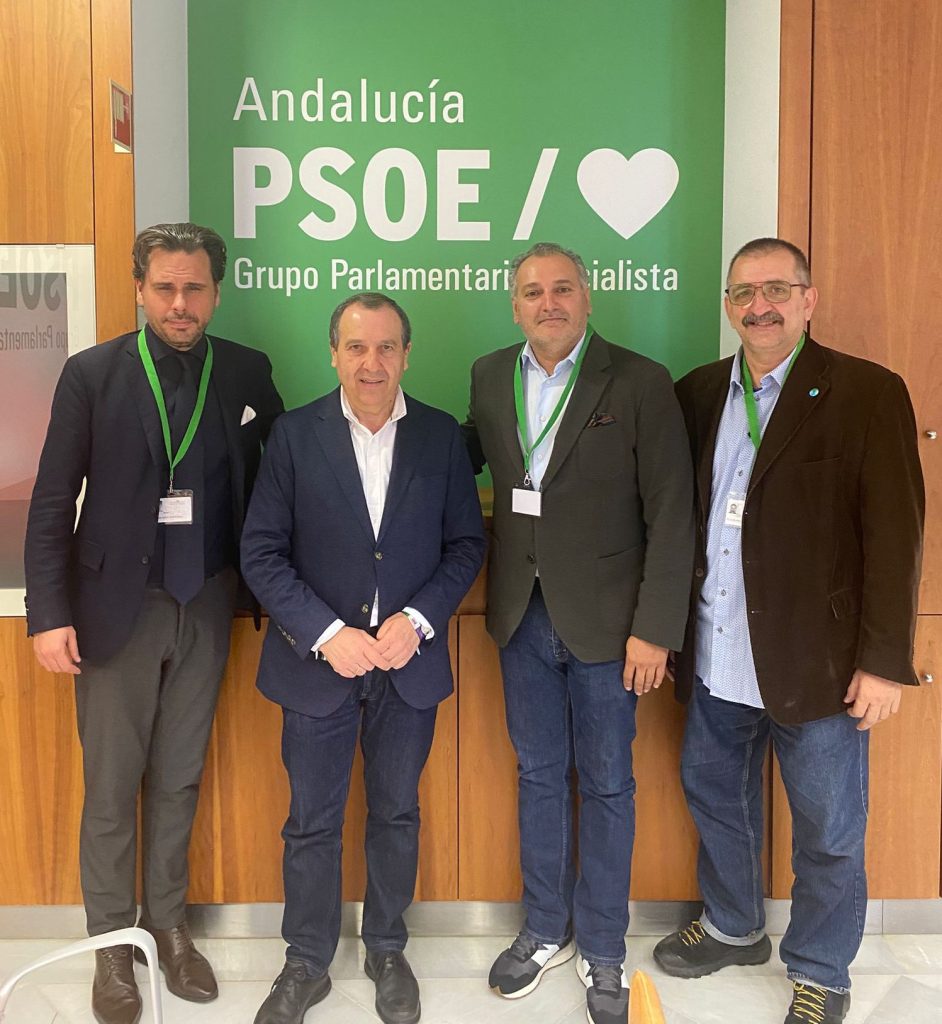
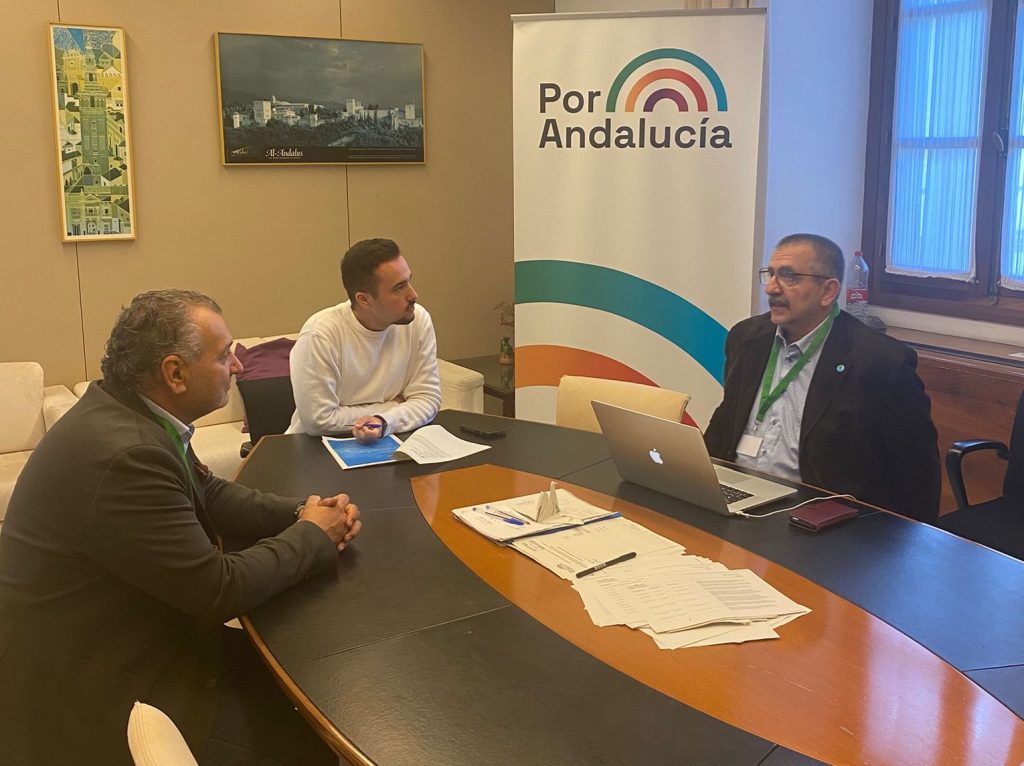
In Seville, the organisations held meetings at the Andalusian Parliament with the PSOE and Por Andalucía parliamentary groups, as well as a meeting with Antonio Ismael Huertas, Director-General for Social Protection and Priority Neighbourhoods at the Regional Government of Andalusia.
These meetings have made it possible to put forward specific proposals directly and to open channels of dialogue with policy-makers. This is a necessary step to ensure that the demands of the Rromani people are included on the institutional agenda and are not excluded from decision-making processes.
Strengthening collective work
Beyond the institutional aspect, the meetings have also provided a forum for the internal workings of the voluntary sector. During the conference, partnerships between organisations have been strengthened, new avenues for collaboration have been explored, and common strategies have been shared.
This collective approach is key to tackling structural inequalities and antigypsisism, from an active stance that positions Rroma organisations themselves as the driving force behind change.
Proposals with an eye on 2026
The work in Seville takes place against a significant political backdrop. With the Andalusian elections scheduled for June 2026, the organisations have made progress in drawing up specific proposals aimed at placing the needs of the Romani people at the centre of public debate.
This represents a clear commitment to political advocacy: transforming reality involves not only highlighting inequalities, but also developing alternatives and bringing them into the decision-making arena.
An ongoing process
The presentation of the FEIG 2025 Report and the meetings held in Seville form part of a wider process that will continue over the coming months.
The FEIG, funded by the Ministry of Social Rights, Consumer Affairs and the 2030 Agenda, continues to establish itself as a key forum for strengthening the participation of the Rromani people and moving towards public policies that are fairer, more inclusive and more in touch with reality.
The Inter-Autonomous Community Rroma Strategic Forum (FEIG 2025) presents an independent analysis of the implementation of the National Rroma Strategy in various autonomous communities, highlighting progress, obstacles and key challenges.
The report sets out the work carried out during 2025 by Rromani organisations, experts and public institutions to assess how policies on equality, inclusion and participation for the Romani people are being implemented in different regions.
The report forms part of the project run by the Inter-Autonomous Rroma Strategic Forum (FEIG), initiated by the organisations Presencia Gitana, FAGIC and La Fragua Projects, and turns collective analysis into a tool for advocacy aimed at improving public policies from a rights-based perspective.
A participatory analysis to understand what is happening
The document combines technical analysis with opportunities for dialogue and participation. Throughout the year, conferences, institutional meetings and working sessions have been held in regions such as Madrid, Andalusia, Catalonia and Navarre.
This process has made it possible to compare existing policies with the direct experiences of Roma organisations and professionals, bringing together different perspectives and highlighting both progress and shortcomings in the implementation of the 2021–2030 National Strategy for the Rroma People.
Key points of the report
The report identifies a number of key factors that characterise the current situation:
The adoption of the first specific state-level employment plan for the Roma community, with significant economic and social implications.
The symbolic and political significance of the year 2025, marking the 600th anniversary of the Romani people in Spain.
The lack of up-to-date official data, which makes it difficult to accurately assess the actual impact of policies.
At the same time, the analysis highlights significant concerns: delays in the approval of regional strategies, regional inequalities and poor coordination between administrations.
Regional differences that affect rights
One of the report’s most significant contributions is its regional focus. The FEIG 2025 shows how the situation varies significantly between autonomous communities.
Whilst some regions are making progress with new plans and participatory processes, others are facing obstacles, a lack of transparency or the absence of specific strategic frameworks, which directly affects access to rights in areas such as employment, housing and education.
A tool for advancing fairer policies
Far from being merely an assessment, the FEIG 2025 Report sets out clear proposals for improving public policy: strengthening the involvement of the Rromani civil society movement, ensuring stable funding, improving institutional coordination and making progress on concrete measures to tackle anti-Romani sentiment.
The document advocates a shift from declaratory frameworks to policies with a real impact, which help to reduce structural inequalities and guarantee rights on an equal footing.
A collective assessment and proposals to combat structural inequality and institutional racism in Barcelona
The Cafè Barcelona 2025 project, launched by La Fragua Projects with the support of theBarcelona City Council and the Department of Social Rights and Inclusion of the Government of Catalonia, has been conceived as a mechanism for democratic innovation to strengthen the participation of refugee, migrant, Roma and racialised communities in the development of public policies. Its aim: to create spaces for horizontal dialogue that recognise diversity and transform the way collective decisions are made.
Through four Participatory Spaces for Democratic Innovation (EPIDs), the project has addressed key issues such as the right to housing, job insecurity, school segregation, institutional racism, political disengagement, hate speech, gender-based violence and racialised LGBTIQ+ rights. The discussions have highlighted the persistence of structural inequalities affecting access to basic rights and civic participation, as well as the need to incorporate an anti-racist and intersectional perspective into all public policies.
The main conclusions include:
Ensuring access to housing through anti-discrimination measures and market regulation.
Combat job insecurity and racist harassment through clear protocols and positive action.
Reducing school segregation and incorporating anti-racism training into the education system.
Establish mechanisms to ensure transparency and accountability in police operations.
Create permanent spaces for participation that give a voice to racialised communities.
To tackle hate speech and disinformation through educational and media strategies.
To safeguard LGBTIQ+ rights and combat gender-based violence through an intersectional approach.
This report is not merely a diagnosis: it is a call to action. The proposals it contains are the result of real-life experience and point towards a shared vision: a fairer, more inclusive and more democratic Barcelona.
A pioneering model that anticipates judicial reform and offers effective solutions to structural discrimination through intercultural mediation and strategic litigation
The ADEME 2025 report, initiated by La Fragua Projects and funded by Seville City Council, establishes a pioneering model for support, identification and socio-legal mediation for the Roma community in situations of severe exclusion. This initiative anticipates the reform of the Law on Procedural Efficiency, integrating Alternative Dispute Resolution Mechanisms (ADRM) with an intercultural and restorative justice approach.
The findings are damning: structural anti-Roma sentiment persists, manifesting itself in administrative inaction, intersectional discrimination and the violation of fundamental rights. Documented cases include chronic failure to comply with court orders regarding disability, vicarious violence and medical negligence that has resulted in life-threatening situations. ADEME 2025 has handled over 20 highly complex cases and 200 proceedings per month, combining mediation, strategic litigation and innovative protocols to ensure effective judicial protection.
The report proposes measures with the force of law, such as the establishment of the role of a Romani socio-legal mediator, the replacement of the ineffective Andalusian Protocol against Anti-Gypsyism with a binding regional law, and the implementation of compulsory anti-racism training for all public sector staff. These recommendations aim to transform political will into a legal obligation, ensuring that substantive equality becomes a reality rather than a mere promise.
Utilizamos cookies para optimizar nuestro sitio web y nuestro servicio.
Funcional
Always active
El almacenamiento o acceso técnico es estrictamente necesario para el propósito legítimo de permitir el uso de un servicio específico explícitamente solicitado por el abonado o usuario, o con el único propósito de llevar a cabo la transmisión de una comunicación a través de una red de comunicaciones electrónicas.
Preferencias
El almacenamiento o acceso técnico es necesario para la finalidad legítima de almacenar preferencias no solicitadas por el abonado o usuario.
Estadísticas
El almacenamiento o acceso técnico que es utilizado exclusivamente con fines estadísticos.El almacenamiento o acceso técnico que es utilizado exclusivamente con fines estadísticos anónimos. Sin una requerimiento, el cumplimiento voluntario por parte de su proveedor de servicios de Internet, o los registros adicionales de un tercero, la información almacenada o recuperada sólo para este propósito no se puede utilizar para identificarlo.
Marketing
El almacenamiento o acceso técnico es necesario para crear perfiles de usuario para enviar publicidad, o para rastrear al usuario en un sitio web o en varios sitios web con fines de marketing similares.