The workshop organised by the Inter-Autonomous Strategic Rroma Forum (FEIG) highlighted the need to strengthen institutional commitments to the Rroma People, warning of the risks of abandoning specific strategies and calling for progress in the monitoring of public policies at both national and regional levels
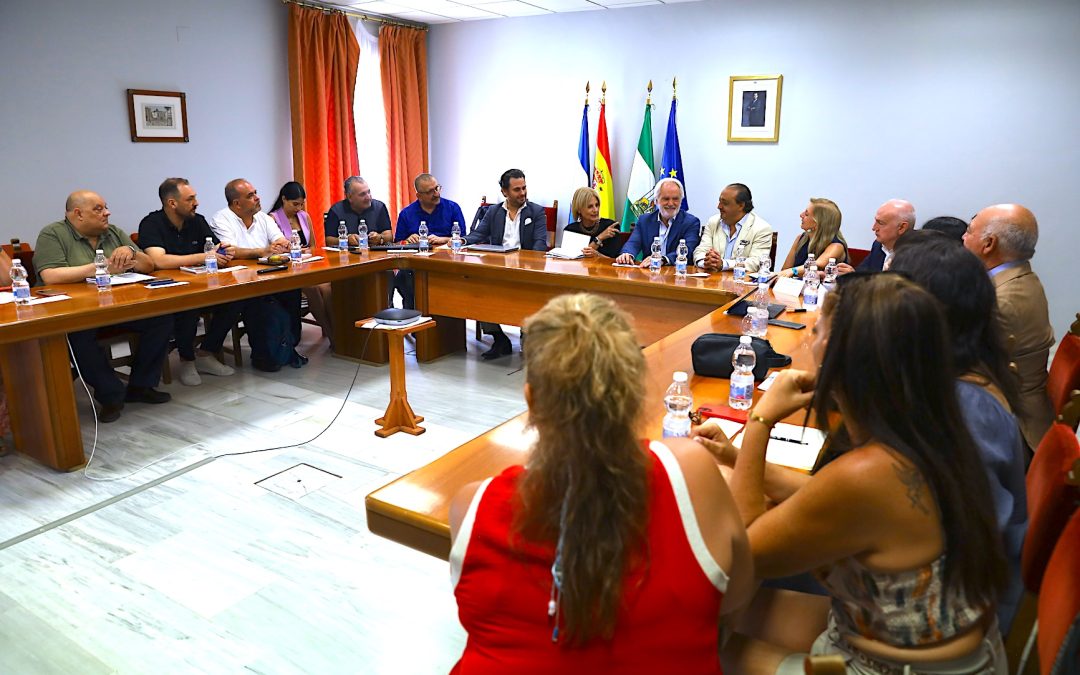
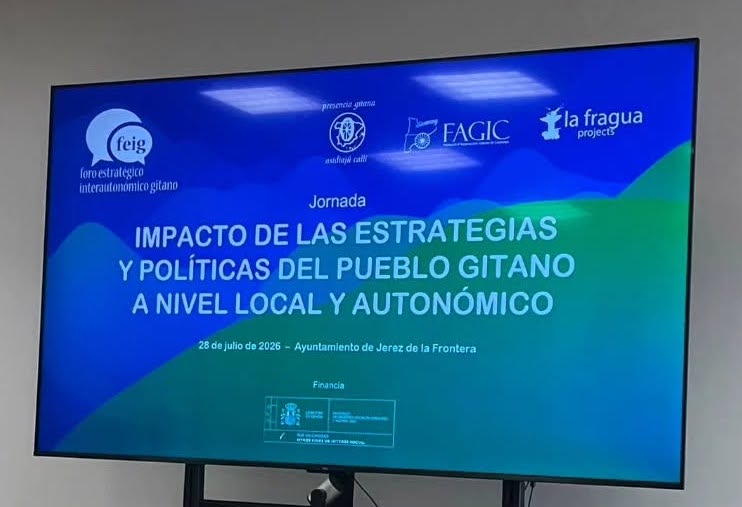
On 28 July, Jerez de la Frontera Town Council hosted the conference ‘The Impact of Rroma Strategies and Policies at Local and Regional Level’, organised as part of the 2026 Inter-Regional Rroma Strategic Forum (FEIG 2026), an initiative jointly promoted by the National Association for Rroma Presence (ANPG), the Federation of Rroma Associations of Catalonia (FAGIC) and La Fragua Projects (LFP).
The opening of the event was attended by the Mayor of Jerez de la Frontera, María José García-Pelayo, who welcomed the organisations and individuals present and expressed her support for the objectives of the event and for the work carried out by Rromani organisations to promote equality, participation and inclusion. In her speech, she highlighted the importance of strengthening collaboration between public authorities and civil society in order to continue making progress on rights and full citizenship.
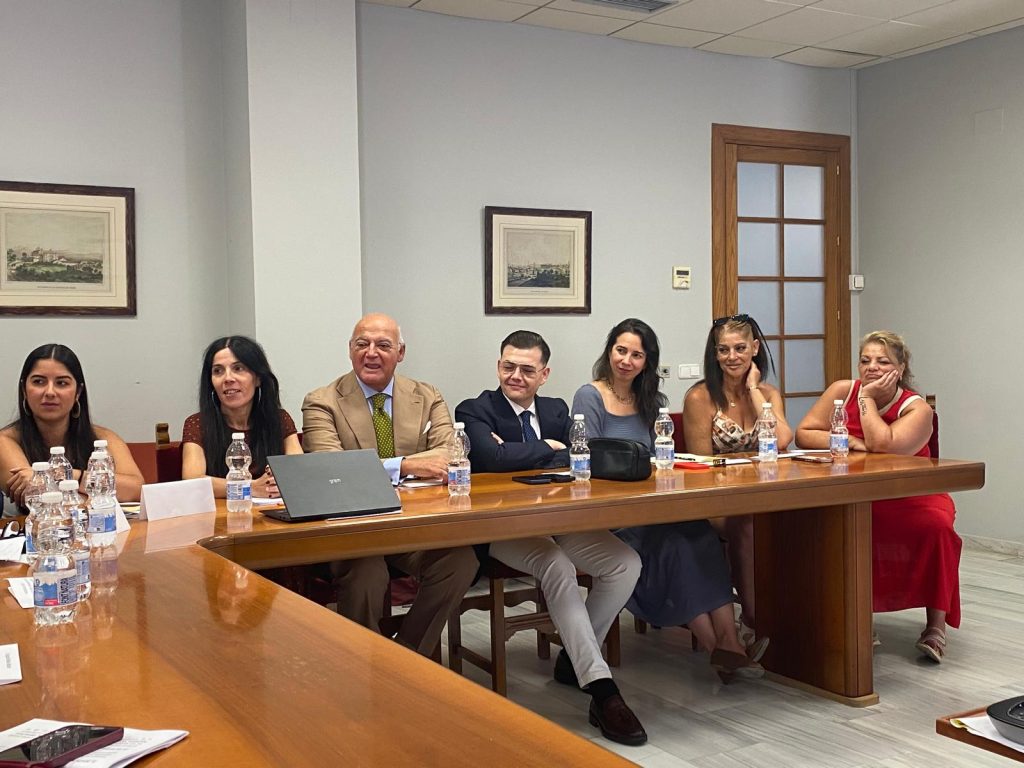
The event brought together institutional representatives, representatives of the National Council of the Rroma People and the Andalusian Council of the Rroma People, Rromani organisations, social organisations and experts to analyse the state of public policies aimed at the Rroma People and to discuss the challenges currently faced by the various administrations in fulfilling their commitments regarding equality, inclusion and participation.
The choice of Jerez de la Frontera as the venue for the meeting held special significance for the participating organisations. The city occupies a prominent place in the history and contemporary reality of the Rroma People. As a cultural, social and artistic hub, Jerez represents one of the places where the Rromani contribution has been recognised and valued as a fundamental element of collective identity. The historical presence of Rromani families, artists and leading figures has contributed decisively to the city’s cultural prestige, making it a particularly symbolic place for Rromani civil society. Holding a conference there dedicated to public policy and participation provided an opportunity to link the institutional debate with a region deeply connected to the history, culture and contributions of the Rromani people.
During the session, the FEIG 2025 report – drawn up by the project’s partner organisations – was presented; it analyses the development of strategies and policies aimed at the Rroma People in Andalusia, Catalonia, Madrid and Navarre. The report notes that the National Strategy for Equality, Inclusion and Participation of the Rroma People 2021–2030 remains the main framework of reference, but also highlights the difficulties involved in translating its objectives into fully operational and assessable policies across the various regions.
One of the main issues addressed during the debate was concern over certain regressive trends that call into question the need to maintain specific strategies for the Rromani community at regional level. Participants warned that replacing these tools with generalist inclusion plans could dilute the focus on the specific inequalities still faced by the Rroma People and undermine the commitments made at both national and European level.
In this regard, the situation in Madrid and Navarre was analysed with particular concern. In both regions, approaches have been proposed that aim to dispense with specific strategies for the Rroma community and to integrate measures targeting the Rroma People into general frameworks for social inclusion. The participating organisations agreed that this approach carries the risk of a loss of visibility, political priority and the ability to monitor measures designed to combat the inequalities affecting the Rroma population.
Alongside these trends, the conference also highlighted the accumulated delays in the approval or updating of regional strategies in other territories. Although Andalusia and Catalonia are continuing with processes aimed at developing new strategic frameworks, delays in their final approval are hindering the implementation of fully operational policies and limiting the ability to properly assess the commitments made. The participating organisations emphasised that allowing strategies to remain pending renewal for years conveys a worrying lack of political priority regarding the rights and inclusion of the Rromani people.
Another cause for concern was the absence of the 2025 national progress report, a document considered essential for assessing the extent to which the National Strategy is being implemented. The participating organisations pointed out that accountability, transparency and the regular publication of up-to-date information are essential for assessing the real impact of public policies and guiding future courses of action.
Within this framework, La Fragua Projects has been playing a significant role in the development of the FEIG by conducting analyses, producing strategic content and generating knowledge on public policies aimed at the Rromani community. The organisation is actively involved in preparing monitoring reports, conducting comparative analyses of regional strategies and coordinating a broad network of partner organisations that help to enrich the debate and strengthen the advocacy capacity of Romani civil society.
The event also featured the participation of guest organisations such as the YILÓ Association, the Association of Teachers Working with Rroma (AEGIT), the KAMIRA Federation of Rroma Women’s Associations, the FAKALI Federation of Rroma Women, the Secretariado Gitano Foundation (FSG) and Unión Romaní Madrid (URM), alongside local organisations from Jerez de la Frontera, such as the Calle Nueva and Cantarería Cultural Association, as well as other social and institutional stakeholders, creating a diverse space for the exchange of experiences and the development of joint proposals.
The meeting once again highlighted the importance of maintaining forums for dialogue, coordination and monitoring to ensure that the commitments made by the various public authorities are translated into real, measurable public policies that are sustainable over time. Against a backdrop where some strategies are at risk of being abandoned and others are years behind schedule, the participating organisations emphasised the need to strengthen participatory mechanisms and to maintain specific policies that enable progress towards effective equality for the Rroma People.
Source: La Fragua Projects Photos: La Fragua Projects
The event, organised as part of the FEIG 2026 project, brought together young people, organisations and institutional stakeholders to analyse the 2021–2030 Strategy from a critical and constructive perspective.
On 25 March, Pamplona hosted the Rroma Youth Meeting at the Amigos Building of the University of Navarra (UNAV), under the title ‘Roma Youth and the 2021–2030 Strategy: From Social Inclusion to Self-Determination’. The event, organised within the framework of the Foro Estratégico Interautonómico Gitano 2026 (FEIG 2026) project, promoted by the organisations Asociación Nacional Presencia Gitana, FAGIC and La Fragua Projects, was consolidated as a key space to place young people at the heart of the debate on rights, public policies and the future of the Rroma People.
The event brought together young people, social organisations, institutional representatives and experts in a shared space for reflection and collective action. From a rights-based perspective, the event provided an opportunity to analyse the progress and limitations of the current National Strategy for Equality, Inclusion and Participation of the Rroma People 2021–2030, focusing on the need to move towards genuine processes of self-determination.
The programme was structured around a series of sessions designed to facilitate both analysis and active participation. The institutional and contextualisation session provided an opportunity to set out the current frameworks of the Strategy and open up a debate on its impact across different regions. Subsequently, the thematic roundtables provided spaces for horizontal dialogue in which participants shared experiences, identified common challenges and formulated concrete proposals regarding the inclusion, equal treatment and self-determination of Roma youth.
One of the key elements of the event was precisely this participatory approach: the proposals were not put forward from outside, but arose directly from the experiences, analyses and priorities expressed by the young people themselves. The meeting concluded with a round-up of conclusions, during which contributions were gathered aimed at transforming public policies from a perspective more closely aligned with the everyday reality of young Roma people.
La Fragua Projects’ involvement in this meeting forms part of its work within the FEIG project, a programme that aims to strengthen the advocacy capacity of the Rromani civil society movement and create spaces for collective analysis of public policies from both a regional and national perspective.
From the organisation of this event, promoted and co-organised by Gaz Kaló, an entity participating in the FEIG project, it was also intended to highlight the role of 16 de Mayo, Juventud Gitana, whose participation brought strength and a generational perspective to the process; the role of the academic research centres of the Universidad Pública de Navarra (UPNA), the Universidad de Navarra (UNAV) and CESPYD; as well as the collaboration of entities and stakeholders that also take part in the project, including Yiló and Unión Romaní Madrid.
Finally, the conclusions of the conference were read out in the Parliament of Navarre during a sitting attended by the highest-ranking institutional representatives, including representatives from all Navarrese parliamentary groups, the President of the Parliament and the President of the Autonomous Community of Navarre. The conclusions were brilliantly read out by two young Rromani women from Navarre, representing all the individuals and organisations that took part in the conference.
Beyond the meeting itself, the day sends a clear message: moving towards equality requires not only inclusive policies, but also recognition of the right of the Rromani People — and especially their young people — to play an active part in shaping their present and their future.
Spaces such as these underscore the importance of continuing to foster collective processes in which young Rroma are not merely the objects of policy, but political actors with a voice of their own.
Source: La Fragua Projects Photos: Gaz Kaló and La Fragua Projects
The presentation of the report and a programme of institutional meetings reinforce the collective efforts of the Rromani civil society movement to place its proposals at the heart of the political debate in Andalusia.
La Fragua Projects, together with Presencia Gitana, FAGIC and Unión Romaní Madrid, has organised a series of meetings in Seville as part of the 2026 Interregional Rroma Strategic Forum (FEIG 2026). These sessions have helped to advance the development of proposals and strengthen the political influence of the Romani people at a crucial juncture.
One of the key elements of the agenda has been the presentation of the FEIG 2025 Report, a document containing analyses, assessments and specific proposals aimed at ensuring equal treatment, inclusion and the effective participation of the Rromani people. The report is based on an insider’s perspective, drawn from the knowledge and experience of Romani organisations, and focuses on transforming public policies through a rights-based approach.
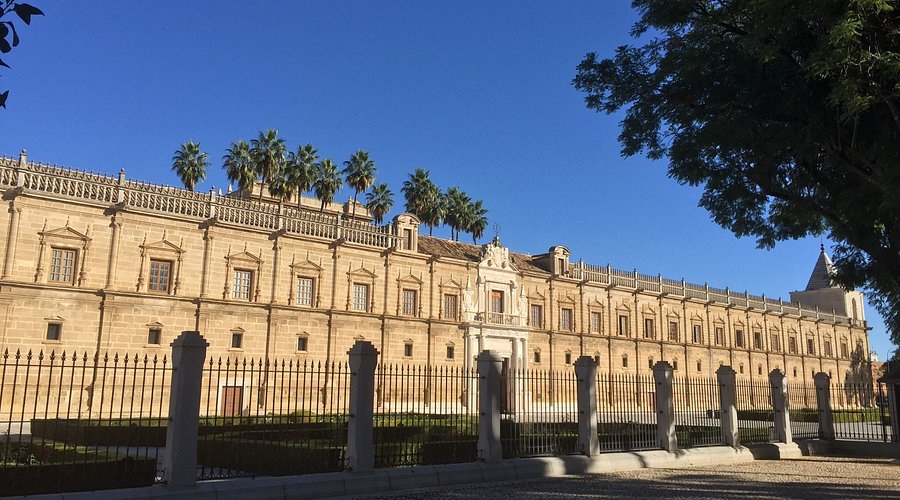
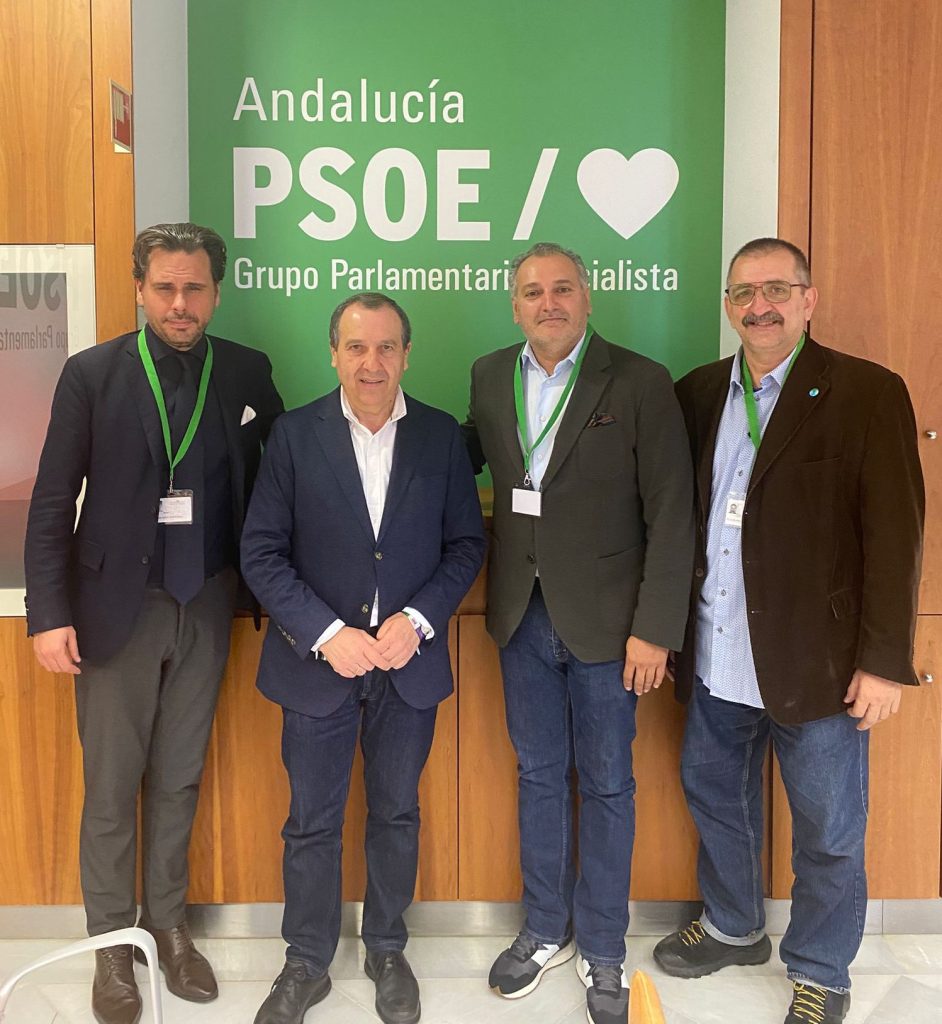
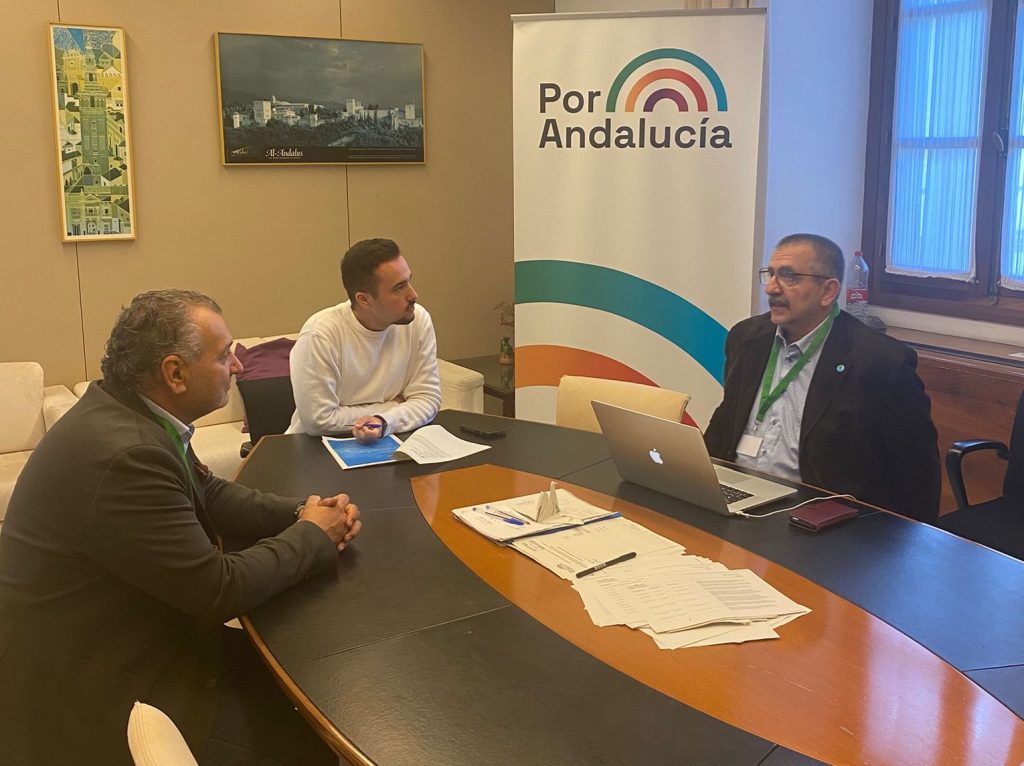
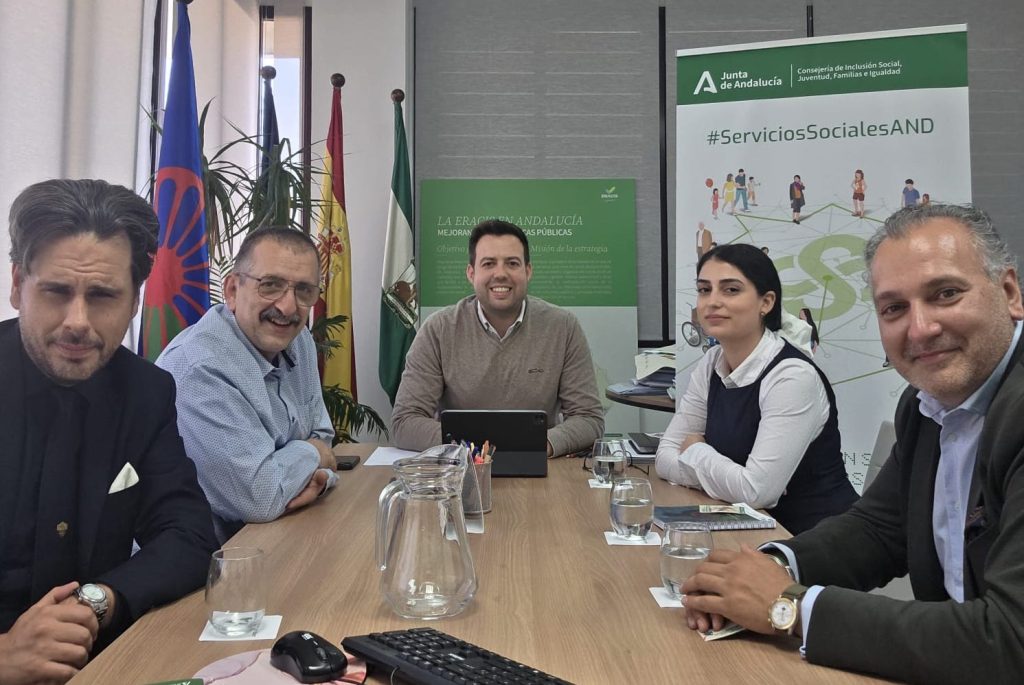
In Seville, the organisations held meetings at the Andalusian Parliament with the PSOE and Por Andalucía parliamentary groups, as well as a meeting with Antonio Ismael Huertas, Director-General for Social Protection and Priority Neighbourhoods at the Regional Government of Andalusia.
These meetings have made it possible to put forward specific proposals directly and to open channels of dialogue with policy-makers. This is a necessary step to ensure that the demands of the Rromani people are included on the institutional agenda and are not excluded from decision-making processes.
Strengthening collective work
Beyond the institutional aspect, the meetings have also provided a forum for the internal workings of the voluntary sector. During the conference, partnerships between organisations have been strengthened, new avenues for collaboration have been explored, and common strategies have been shared.
This collective approach is key to tackling structural inequalities and antigypsisism, from an active stance that positions Rroma organisations themselves as the driving force behind change.
Proposals with an eye on 2026
The work in Seville takes place against a significant political backdrop. With the Andalusian elections scheduled for June 2026, the organisations have made progress in drawing up specific proposals aimed at placing the needs of the Romani people at the centre of public debate.
This represents a clear commitment to political advocacy: transforming reality involves not only highlighting inequalities, but also developing alternatives and bringing them into the decision-making arena.
An ongoing process
The presentation of the FEIG 2025 Report and the meetings held in Seville form part of a wider process that will continue over the coming months.
The FEIG, funded by the Ministry of Social Rights, Consumer Affairs and the 2030 Agenda, continues to establish itself as a key forum for strengthening the participation of the Rromani people and moving towards public policies that are fairer, more inclusive and more in touch with reality.
The Inter-Autonomous Community Rroma Strategic Forum (FEIG 2025) presents an independent analysis of the implementation of the National Rroma Strategy in various autonomous communities, highlighting progress, obstacles and key challenges.
The report sets out the work carried out during 2025 by Rromani organisations, experts and public institutions to assess how policies on equality, inclusion and participation for the Romani people are being implemented in different regions.
The report forms part of the project run by the Inter-Autonomous Rroma Strategic Forum (FEIG), initiated by the organisations Presencia Gitana, FAGIC and La Fragua Projects, and turns collective analysis into a tool for advocacy aimed at improving public policies from a rights-based perspective.
A participatory analysis to understand what is happening
The document combines technical analysis with opportunities for dialogue and participation. Throughout the year, conferences, institutional meetings and working sessions have been held in regions such as Madrid, Andalusia, Catalonia and Navarre.
This process has made it possible to compare existing policies with the direct experiences of Roma organisations and professionals, bringing together different perspectives and highlighting both progress and shortcomings in the implementation of the 2021–2030 National Strategy for the Rroma People.
Key points of the report
The report identifies a number of key factors that characterise the current situation:
The adoption of the first specific state-level employment plan for the Roma community, with significant economic and social implications.
The symbolic and political significance of the year 2025, marking the 600th anniversary of the Romani people in Spain.
The lack of up-to-date official data, which makes it difficult to accurately assess the actual impact of policies.
At the same time, the analysis highlights significant concerns: delays in the approval of regional strategies, regional inequalities and poor coordination between administrations.
Regional differences that affect rights
One of the report’s most significant contributions is its regional focus. The FEIG 2025 shows how the situation varies significantly between autonomous communities.
Whilst some regions are making progress with new plans and participatory processes, others are facing obstacles, a lack of transparency or the absence of specific strategic frameworks, which directly affects access to rights in areas such as employment, housing and education.
A tool for advancing fairer policies
Far from being merely an assessment, the FEIG 2025 Report sets out clear proposals for improving public policy: strengthening the involvement of the Rromani civil society movement, ensuring stable funding, improving institutional coordination and making progress on concrete measures to tackle anti-Romani sentiment.
The document advocates a shift from declaratory frameworks to policies with a real impact, which help to reduce structural inequalities and guarantee rights on an equal footing.
In his statement, Iñaki Vázquez called for a consensus-based approach and for the development of proposals in line with the policy frameworks for the Rroma People agreed at European level and in many regions governed by parties of the same political persuasion as that of the Community of Madrid
On 6 October 2025, our colleague Iñaki Vázquez Arencón appeared before the Committee on Family and Social Affairs of the Madrid Assembly to present some of the key findings arising from the work carried out as part of the Inter-Regional Rroma Strategic Forum (FEIG) project, which addresses the implementation of the National Roma Strategy from a regional perspective.
In his speech, Iñaki highlighted the strategic setback that the scrapping of the Madrid Strategy for the Rroma People would entail, given that the Community of Madrid serves as a model for the whole of Spain; this could be a cause for serious concern regarding the effectiveness and efficiency of public policies aimed at the Rroma Community. Furthermore, this decision would distance Madrid from European strategies and those of other autonomous communities, many of which are governed by the same party that holds the presidency in Madrid.
The view shared by many of the social and political actors involved in this field prior to 2020 was that it had been demonstrated that policies addressing the need for social inclusion were not accompanied by anti-discrimination strategies, primarily to tackle the consequences of antigypsyism and others focused on the disadvantages caused by gender in our society, which place Rroma women at absolutely alarming rates in almost every field.
Iñaki Vázquez urged the political parties supporting the government in the Community of Madrid to reconsider the announced measure and to publish the evaluation of the previous plan, which expired in 2021, as well as the assessment commissioned from a company—the results of which they have been promising to release for the past two years. To this end, he proposed that, in the interests of consensus, the Rroma Community Dialogue Forum – a participatory body that has been virtually paralysed for many months – be reactivated so that it can fulfil the role for which it was created: to promote the participation of the Rroma civil society in the Community of Madrid.
Part one of Iñaki Vázquez’s testimony:
Speech by Samuel Escudero León, a Romani MP from the Más Madrid parliamentary group in the Madrid Assembly:
Iñaki Vázquez’s response to the speeches by the parliamentary groups in the Madrid Assembly:
The FEIG project is organising a superb debate at the Parliament of Navarre, with the invaluable support of the Gaz Kaló Federation, which is hosting the event
On 26 March 2025, the Parliament of Navarre hosted a conference on theImpact of Strategies for the Rroma People in Navarre, organised as part of the 2025 Inter-Regional Roma Strategic Forum (FEIG 2025). This is a pilot project funded by the Ministry of Social Rights, Consumer Affairs and the 2030 Agenda, which aims to contribute to the implementation, monitoring and follow-up of the National Strategy for the Equality, Inclusion and Participation of the Rroma People 2021–2030 from a regional perspective.
The conference was opened by the President of the Parliament of Navarre, Unai Hualde, who noted that “the Rromani People and Navarre share centuries of history and coexistence, and it is only in recent parliamentary terms that a specific strategy has been developed for the advancement of the Romani community, taking a cross-cutting approach to both the issues involved and the stakeholders involved”.
“Events such as this should serve to analyse the progress and results achieved through the work of the institutions and Rroma associations in our region, whilst also providing an insight into the work being carried out at national level and in other regions,” said Hualde.
Inés Jiménez, Director-General for Social Protection and Development Cooperation at the Government of Navarre, went on to state that “the Strategy for the Development of the Roma Community in Navarre, despite having been drawn up before the National Strategy, shares its structure with the latter through three main pillars: equal treatment, inclusion and the Roma community’s participation in society”.
For his part, Fabián Daniel Sánchez, a representative of FEIG, thanked Parliament for being “the first legislative chamber in the country to host a conference organised by the Forum itself”.
“As we mark the 600th anniversary of the arrival of the Rroma in Spain in 2025, we must highlight the undeniable contributions our people have made to Spanish society as a whole, but we also need to make a stand that will help us make progress towards equal opportunities,” he said.
“We have been living, working, dreaming and building this land for 600 years. Let’s make Navarre a community free from antigypsyism,” he concluded.
Finally, Pascuala Amador, from Gaz Kaló, acknowledged “antigypsyism as one of the scourges from which the Rroma People suffers most”, which is why she called for “strategies to be turned into useful tools not only for the Rroma community itself, but also for public authorities and society as a whole”.
This was followed by an introduction to the Inter-Regional Rroma Strategic Forum, focusing on aligning regional strategies with the National Strategy and the European Framework for the Equality, Inclusion and Participation of the Rroma People (2021–2030). The presentation was led by Bianca Elena Galusca, from the Federation of Rroma Associations of Catalonia (FAGIC), and Iñaki Vázquez, representative of La Fragua Projects (LFP).
This was followed by a round-table discussion on the main findings of the evaluation of the Rroma Strategy in Navarre, which, moderated by Víctor Sánchez (UPNA), facilitated an exchange of views between the Regional Government’s Department of Social Rights, Social Economy and Employment, civil society organisations in Navarre and parliamentary groups.
In addition, a participatory debate was held by the Assembly of the Inter-Regional Rroma Strategic Forum (FEIG).
Finally, the event was brought to a close by Fabián Daniel Sánchez, representing the National Association for the Presence of the Rroma (ANPG).
Note from La Fragua Projects: The participation of civil society representatives was also particularly noteworthy, and they highlighted the need to take decisive and coordinated action alongside migrant, refugee, Rroma and racialised communities in order to tackle far more effectively the structural disadvantages they face – disadvantages that can only be reversed through public policy.
Source: Parliament of Navarre and La Fragua Projects Photos: Miguel Oses (Parliament of Navarre)
Utilizamos cookies para optimizar nuestro sitio web y nuestro servicio.
Funcional
Always active
El almacenamiento o acceso técnico es estrictamente necesario para el propósito legítimo de permitir el uso de un servicio específico explícitamente solicitado por el abonado o usuario, o con el único propósito de llevar a cabo la transmisión de una comunicación a través de una red de comunicaciones electrónicas.
Preferencias
El almacenamiento o acceso técnico es necesario para la finalidad legítima de almacenar preferencias no solicitadas por el abonado o usuario.
Estadísticas
El almacenamiento o acceso técnico que es utilizado exclusivamente con fines estadísticos.El almacenamiento o acceso técnico que es utilizado exclusivamente con fines estadísticos anónimos. Sin una requerimiento, el cumplimiento voluntario por parte de su proveedor de servicios de Internet, o los registros adicionales de un tercero, la información almacenada o recuperada sólo para este propósito no se puede utilizar para identificarlo.
Marketing
El almacenamiento o acceso técnico es necesario para crear perfiles de usuario para enviar publicidad, o para rastrear al usuario en un sitio web o en varios sitios web con fines de marketing similares.